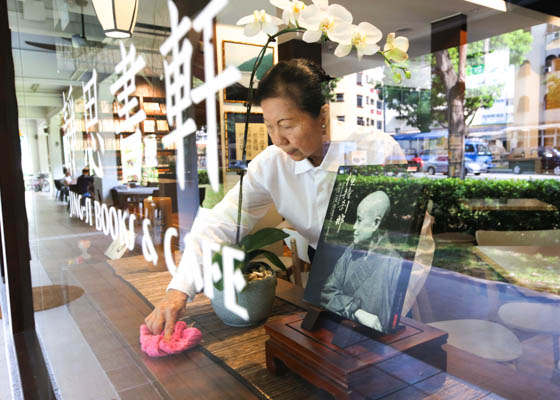
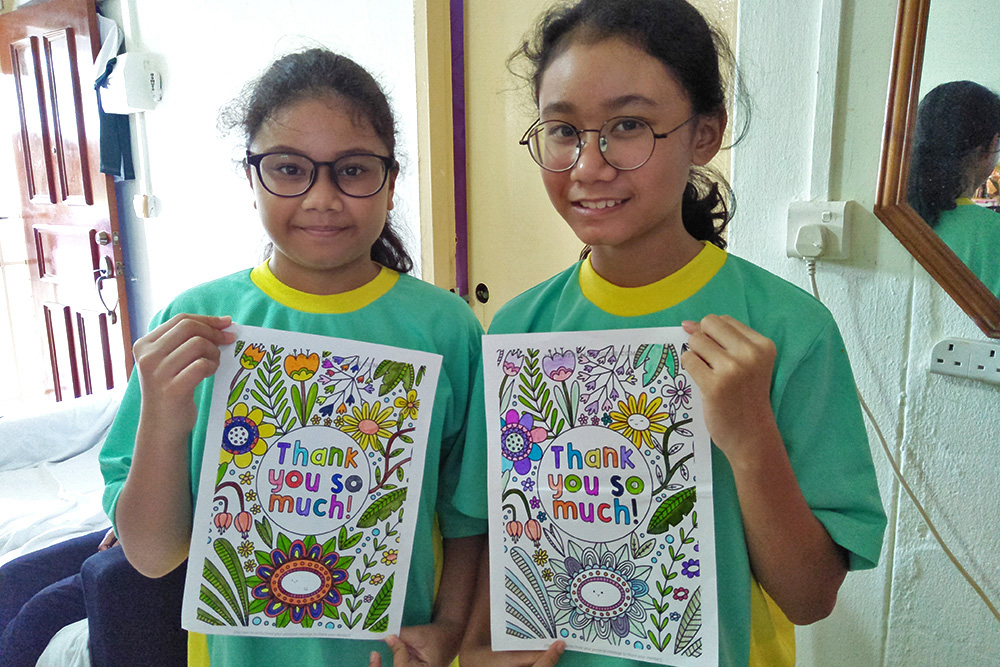
GLOW partners with numerous tertiary institutions and community organisations to create a platform for meaningful intergenerational connections. (Photo by Teh Peng Yeng)
“A big reason why many seniors may not be able to spend time at Active Ageing Centres (AACs) to stay active and strong isbecause they have caregiving responsibilities,” said Lee Weng Foo, Head of Department, Community Care, Tzu-Chi Foundation (Singapore).
According to Profile and Well-being of Older Caregivers in Singapore, a report published in April 2025 by the Centre for Research on Successful Ageing (ROSA) at the Singapore Management University (SMU), nearly one in seven older adults in Singapore is a caregiver. Among them, women make up the majority (57.25%), with an average age of 63.2 years, while nearly half (45.24%) are employed full-time.
In addition, a study conducted by Dover Park Hospice between October 2022 and January 2023 involving 200 caregivers found that more than 40% were at risk of depression.
As caregivers often place the needs of those they care for ahead of their own health and well-being, GLOW, an initiative under Tzu-Chi Foundation (Singapore), offers respite care services (Note 1) to provide timely support, enabling caregivers to take care of themselves while continuing to care for others.
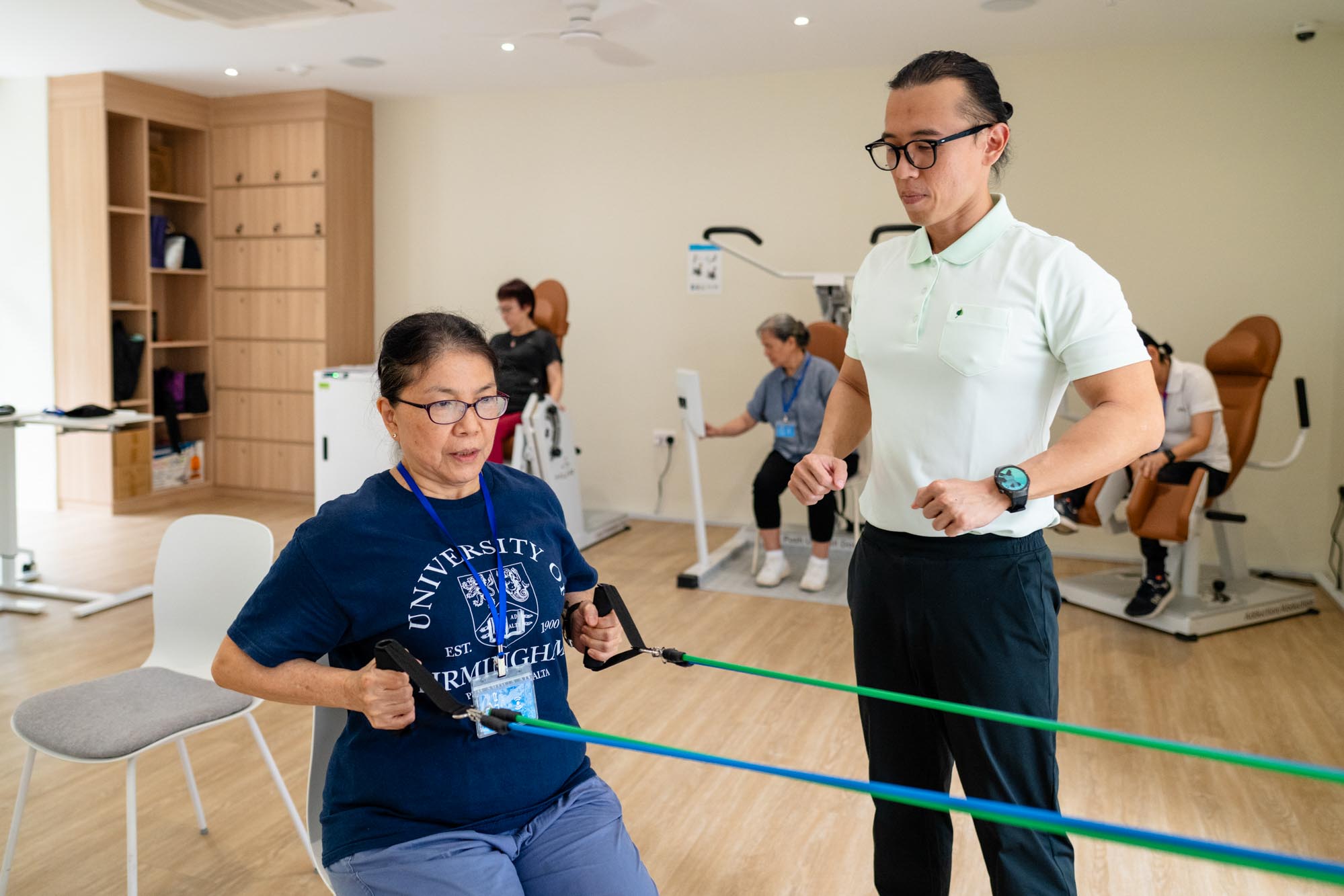
GLOW (Nanyang) features equipment such as music boxing machines, battle ropes, and suspension trainers, allowing participants to improve their fitness through fun and engaging activities. (Photo by Alden Boon)
In fact, GLOW was not built from scratch. It is an extension and enhancement of the experience gained through Tzu Chi's Seniors Engagement & Enabling Node (SEEN).
Lee Weng Foo also shared that since launching GLOW, they have moved beyond simply talking about services for seniors. Instead, they hope to start from the community and rethink how stronger, more sustainable support networks and connections can be built among individuals, families, and the wider community.
Today, GLOW operates two centres, one in Nanyang and another in Bukit Batok. Open to adults aged 40 and above, the centres encourage participants to adopt healthy and active lifestyles early, so they can approach ageing with confidence and optimism. Working with various partner organisations, GLOW also offers intergenerational programmes and Humanistic ART (H.ART) sessions to help participants build stronger social support networks. Artificial intelligence has also been incorporated into selected programmes to monitor seniors' health and provide nutritional guidance.
-
 With its calm and welcoming environment, GLOW provides seniors with a comfortable space to learn, connect, and engage with one another. Pictured is a health talk at GLOW (Bukit Batok). (Photo by Teh Peng Yeng)
 -
 A feature wall at GLOW (Bukit Batok) invites seniors to share their messages. (Photo by Teh Peng Yeng)
 -
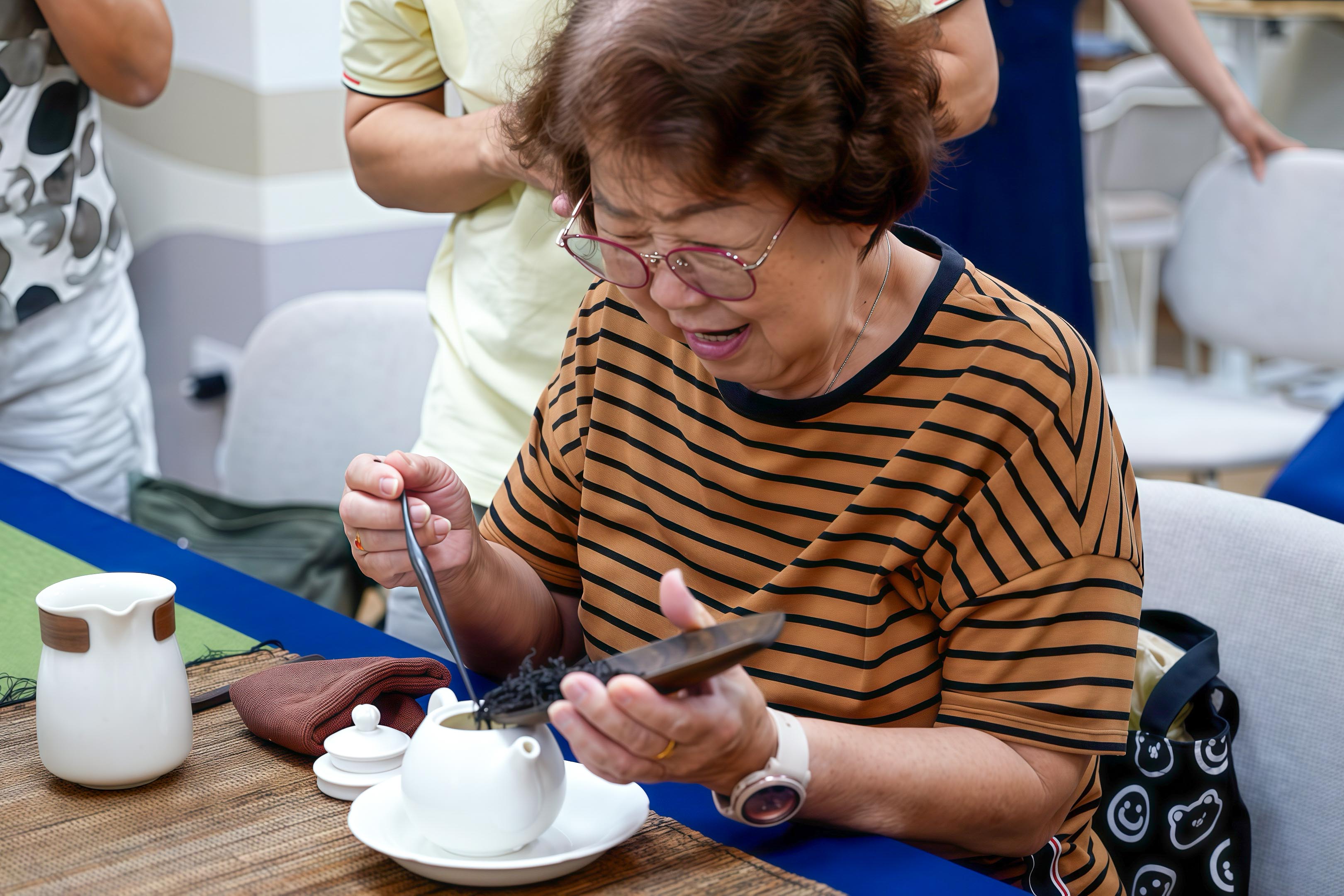 The tea appreciation class offers seniors a chance to find calm and experience the art of tea. (Photo by Stanley Xu)
To enhance the learning experience, GLOW adopts a small-group approach, with most sessions conducted indoors to provide a comfortable and conducive environment for learning and interaction.
“Small groups make it easier for facilitators to observe each participant and respond to their individual needs,” Lee Weng Foo explained. “We have done a lot of smaller classes, and the responses, I would say, are a lot more responsive than our large classes.”
Bringing Support into Families and Communities
“Not all seniors live alone, some are supported by families or they stay with their families,” said Lee Weng Foo. He believes that healthy family relationships are essential for everyone, including older adults, and that support should begin before family relationships deteriorate.
With this in mind, GLOW welcomes family members of seniors as well as members of the public of all ages to participate in its programmes, creating opportunities for intergenerational interaction and deeper mutual understanding.
Lee Weng Foo noted that talks and awareness campaigns alone may teach younger generations about the effects of ageing, but without opportunities to develop empathy, they remain at the level of simply knowing rather than truly understanding.
He cited one example where Singapore University of Social Sciences (SUSS) students taught seniors how to use AI applications to create videos. Through these hands-on interactions, the younger participants gained a much deeper appreciation of the challenges seniors face with vision, reaction speed, and digital literacy, these are insights that cannot be fully conveyed through lectures alone.

Students from Temasek Polytechnic guide seniors in using mobile applications, enhancing their independent living skills. (Photo by Teh Peng Yeng)
Another example of intergenerational engagement is GLOW's community mural project, which forms part of the Lively Places initiative led by the Housing & Development Board (HDB) and the National Arts Council (NAC). The mural was created collaboratively by Visa volunteers, residents and seniors. Tan Lay Khim, Assistant Community Care Manager and Centre Manager for GLOW (Bukit Batok), shared, “Some of our seniors actually bring along their grandchildren or children over the weekends.”
As the mural gradually took shape, residents who had previously been strangers formed new friendships through the shared creative process. Seniors also found new topics to bond over with their families. When completed, the mural became more than a piece of public art—it became a shared memory that belongs to both the participants and the community.

Whether through the companionship of family, interactions with neighbours, or connections across generations, meaningful relationships help seniors foster a stronger sense of belonging and stay actively engaged with the community. (Photo by Teh Peng Yeng)
While fostering empathy among younger generations is important, Lee Weng Foo believes that seniors' sense of identity is equally vital. He observed that Tzu Chi's senior volunteers are generally very happy because they embrace the belief of contributing for as long as life allows. “When they do so, they stay in generally good health. And if they stay in generally good health, they do not become a source of burden to their family," Lee Weng Foo explained.
Having a sense of belonging within a community and a meaningful purpose in life helps seniors maintain better physical and emotional well-being, while also contributing to more harmonious family relationships. For this reason, GLOW encourages participants to gradually transition from programme attendees to volunteers, allowing them to continue sharing their strengths and giving back to the community.
Reconnecting with the Self Through Art
If the mural project connects people with the community, then the Humanistic ART (H.Art) Programme helps participants reconnect with themselves through creative expression, offering opportunities for self-discovery and healing.
Rather than focusing on artistic skills, the programme centres on four key pillars: Connection, Creativity, Reflection, and Healing. Guided by facilitators, participants use movement, sound, photographs and other creative mediums to express how these experiences make them feel, while developing greater confidence in self-expression.

Open to participants of all ages, the H.ART programme is conducted in small groups to encourage meaningful interactions and help participants connect more comfortably. Pictured is Jeamsakul Titisa (in blue) facilitating a H.ART session. (Photo by Teh Peng Yeng)
“What we really want to understand is why they feel the way they do,” said Jeamsakul Titisa, Community Care Manager and staff lead of the H.ART programme. As participants share their experiences, they are encouraged to become more aware of their emotions and reflect on where those feelings originate.
Sound, for example, can evoke vastly different responses. The ringing of a bus bell, the whistle of a boiling kettle, the tune played by an ice cream cart, or even a familiar song may bring comfort and nostalgia to one person, while sounding harsh or distressing to another. These differences are often rooted in each individual's life experiences and personal memories.
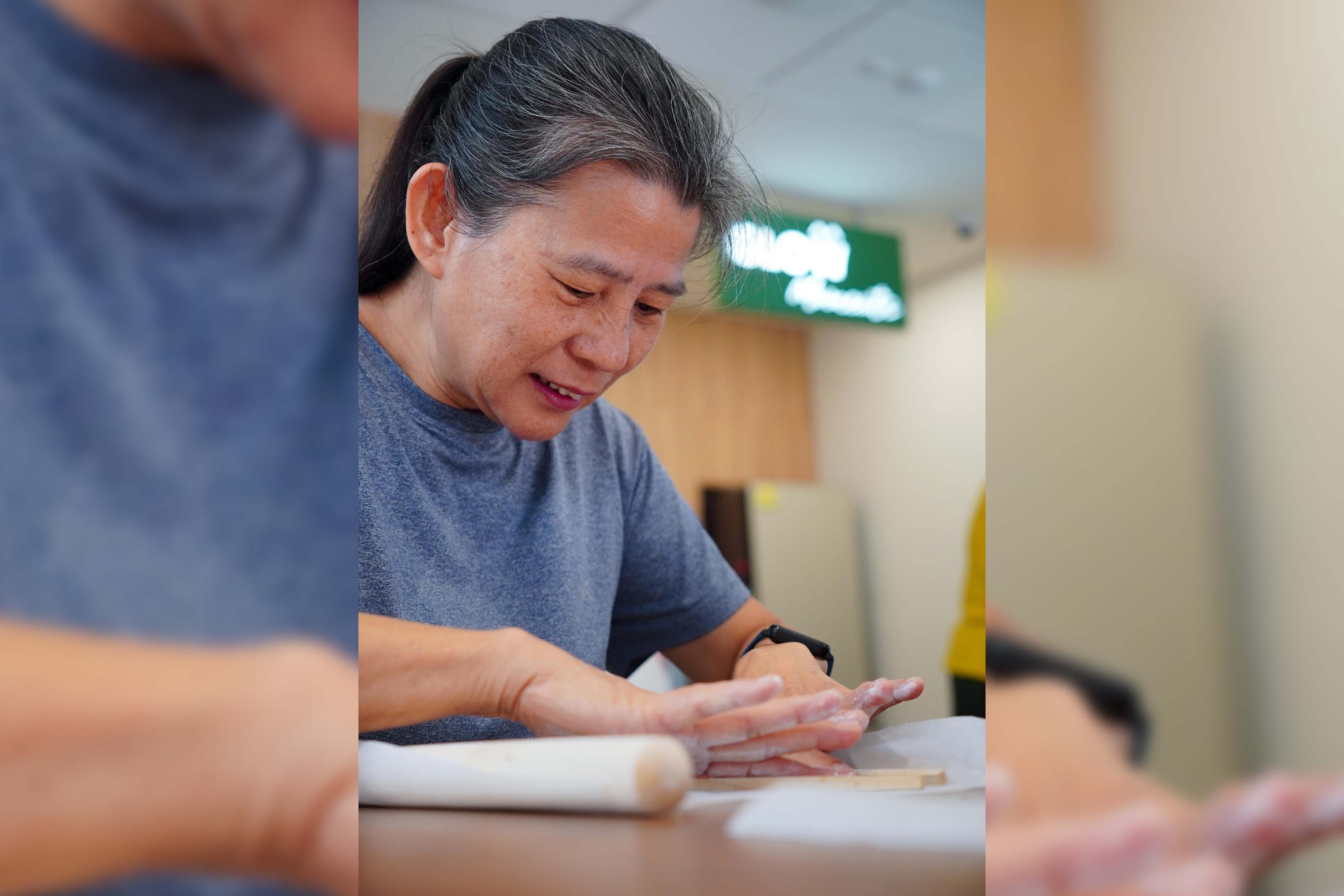 The mindful craft programme encourages participants to practise mindfulness through hands-on creative activities, supporting their mental and physical well-being.
From strengthening families and communities to nurturing emotional well-being, GLOW is reimagining what an active ageing centre can be. Through diverse programmes and meaningful companionship, it hopes to empower people to embrace ageing with greater confidence, discover a renewed sense of belonging and purpose, and find the strength to continue their journey with dignity.
Note 1: Respite Care Services: Short-term home care or temporary care services that allow caregivers to attend to urgent matters with peace of mind, while ensuring that care recipients continue to receive professional support during the interim period.
Share